Home > FAQs > Can you include underlays in my order?
It’s easier and more coordinated if we source underlays as part of your order. We know the exact rug dimensions and can provide a perfectly fitting pad. If you prefer independent sourcing, that’s fine—just ensure it’s non-slip and appropriate for your flooring.
General FAQs
What are the different types of rug and carpet constructions?
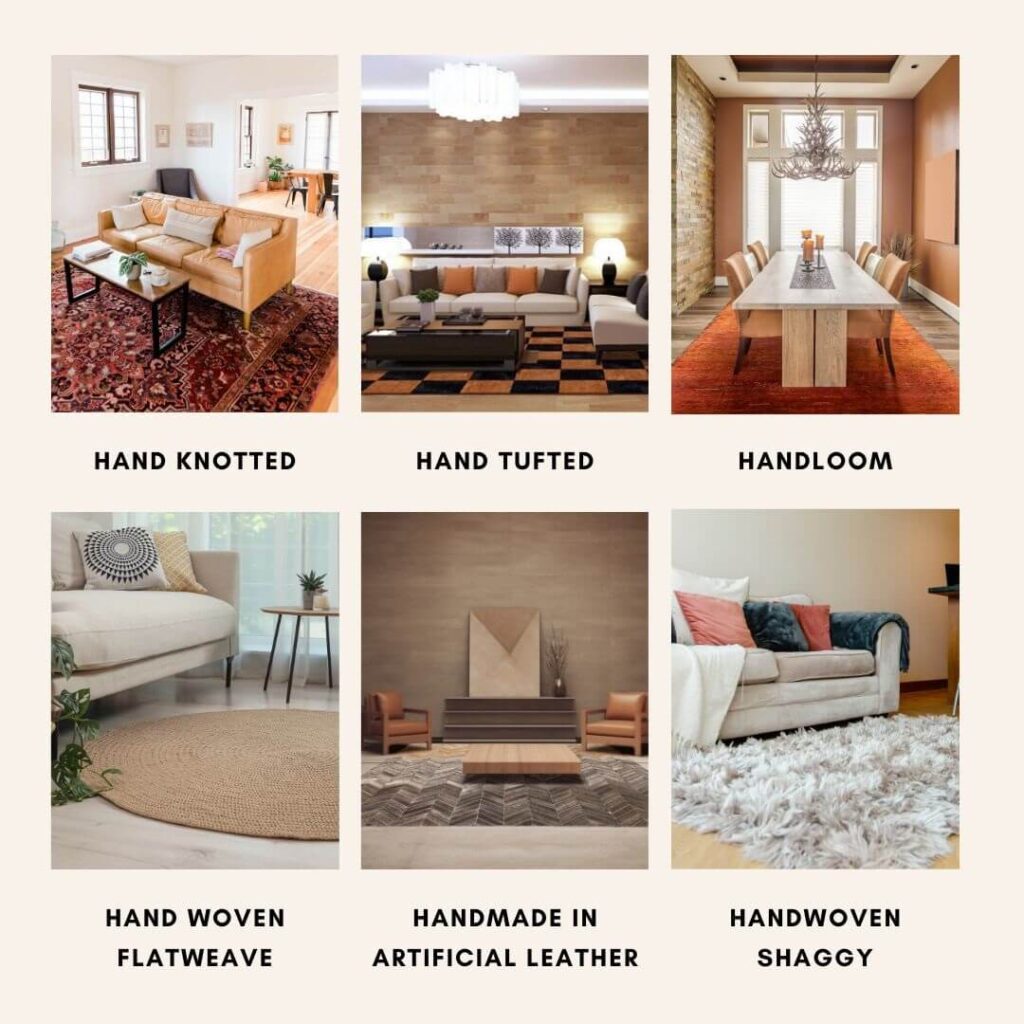
The Weaver offers a wide range of rug and carpet construction types, including Hand-Knotted, Hand-Tufted, Shaggy, Handloom, Leather, and Flatweave options. Each construction type is crafted to meet diverse preferences and design styles. Explore our complete collection by visiting The Weaver Shop.
What is the difference between hand-knotted and hand-tufted rugs?
Feature
Hand-Knotted
Hand-Tufted
Pile Height
8-10 mm
12-14 mm
Lead Time
8-10 weeks for standard sizes
4-6 weeks for standard sizes
Materials Used
Wool, Tencel, Bamboo Silk, Real Silk
100% Wool, Tencel, Bamboo Silk
Customization
Designs, sizes & shapes can be customized
Designs, sizes & shapes can be customized
Color Range
Up to 2500 colors
Up to 2500 colors
Design Intricacy
High intricacy
High to simple intricacy
Lifespan
Approximately 20-25 years
Approximately 5-8 years
Cost
Generally more expensive due to time and skill involved.
More affordable compared to hand-knotted rugs.
Back Appearance
Design is visible on the back.
Back is covered with a canvas or fabric layer.
Ideal Use
Perfect for high-traffic areas and heirloom pieces.
Suitable for low to medium-traffic areas.
What are the different materials used by the weaver?
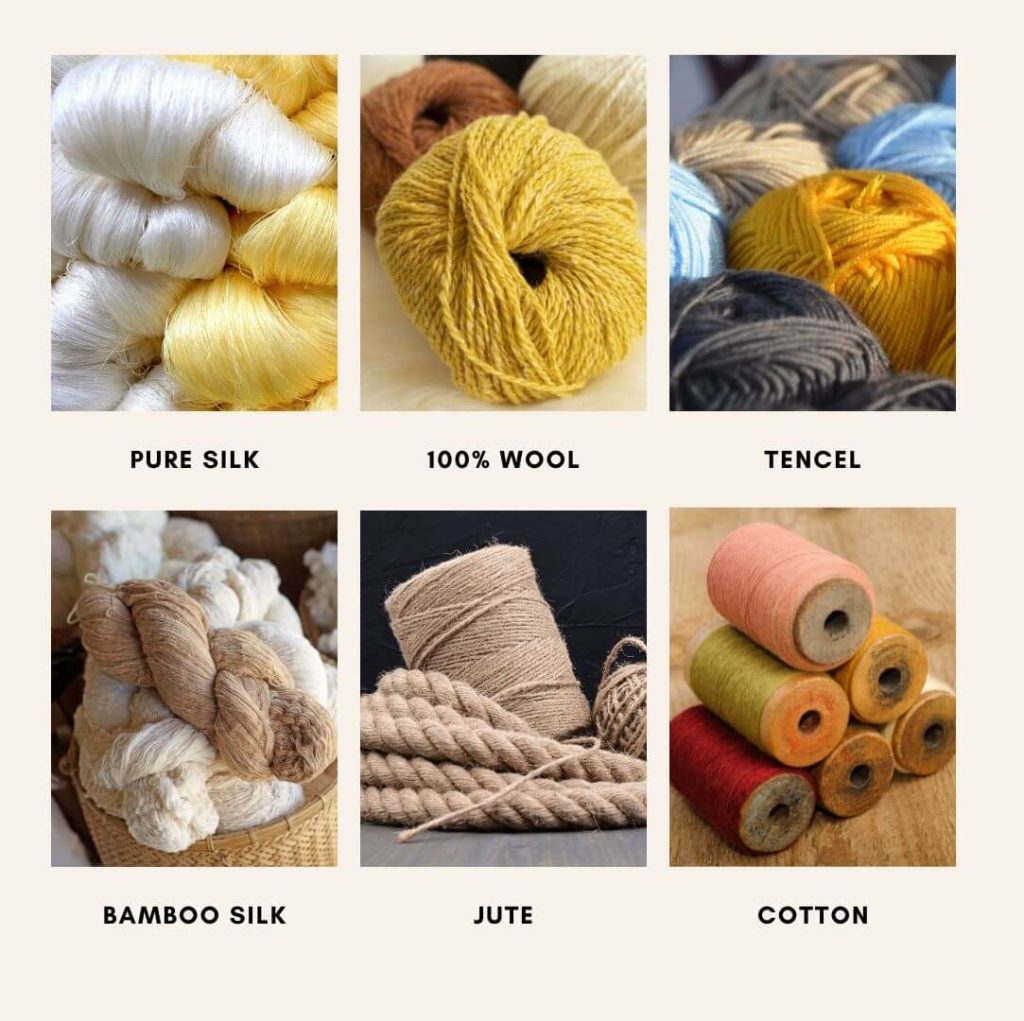
At The Weaver, we take pride in offering a wide array of premium materials to craft the perfect rug for your space. From luxurious Bamboo Silk, soft Wool, and rich Silk to eco-friendly Jute, durable Leather, and versatile blends like Tencel and Cotton, our selection caters to every taste and need. Whether you’re looking for timeless elegance or modern innovation, we have the perfect material to bring your vision to life.
Custom and Design Options
What are the benefits of custom-made carpets and rugs?
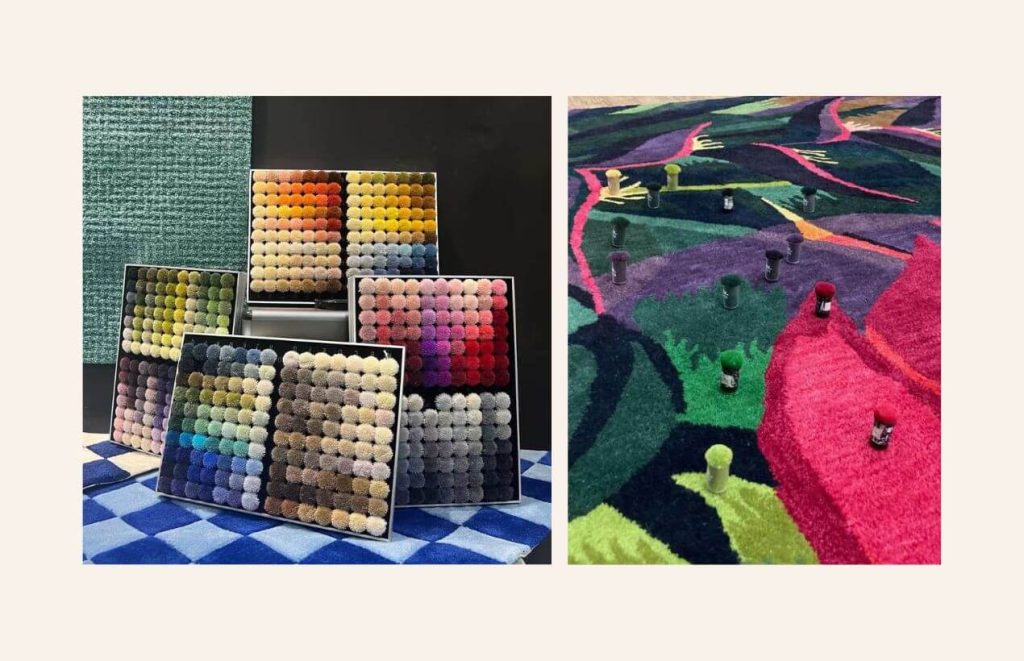
Colour Box: Custom-made carpets allow you to select colors that complement your interiors perfectly. Whether you prefer bold, vibrant shades or soft, neutral tones, you have complete control over the palette to harmonize with your space.
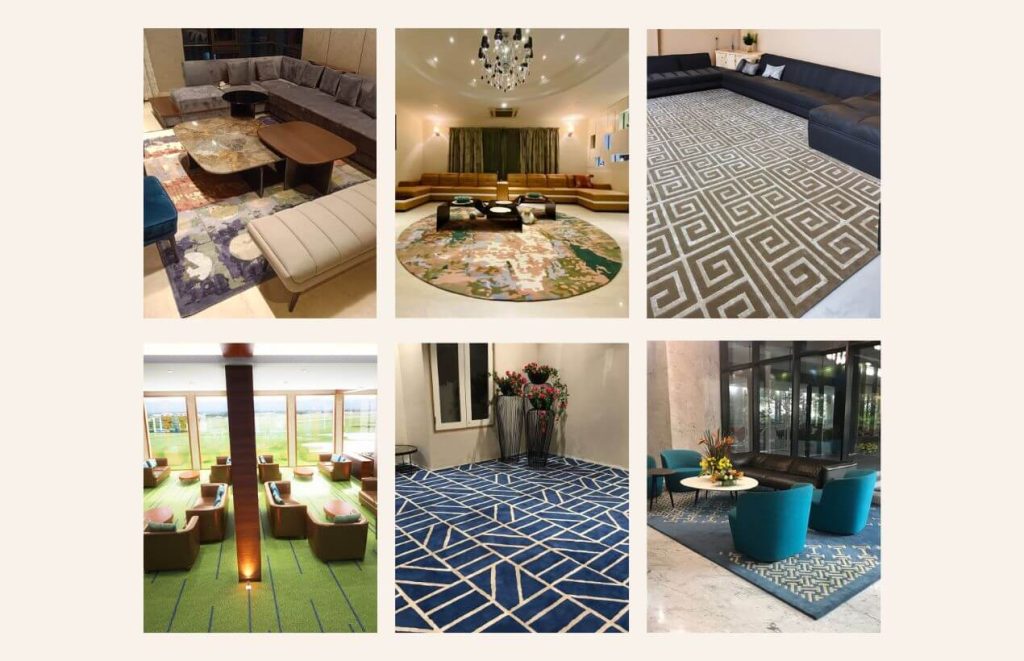
Placing a Rug: Custom rugs can be tailored to fit any specific area, ensuring a seamless look. This flexibility ensures the rug enhances the aesthetics and functionality of the space without overwhelming or underwhelming the design.
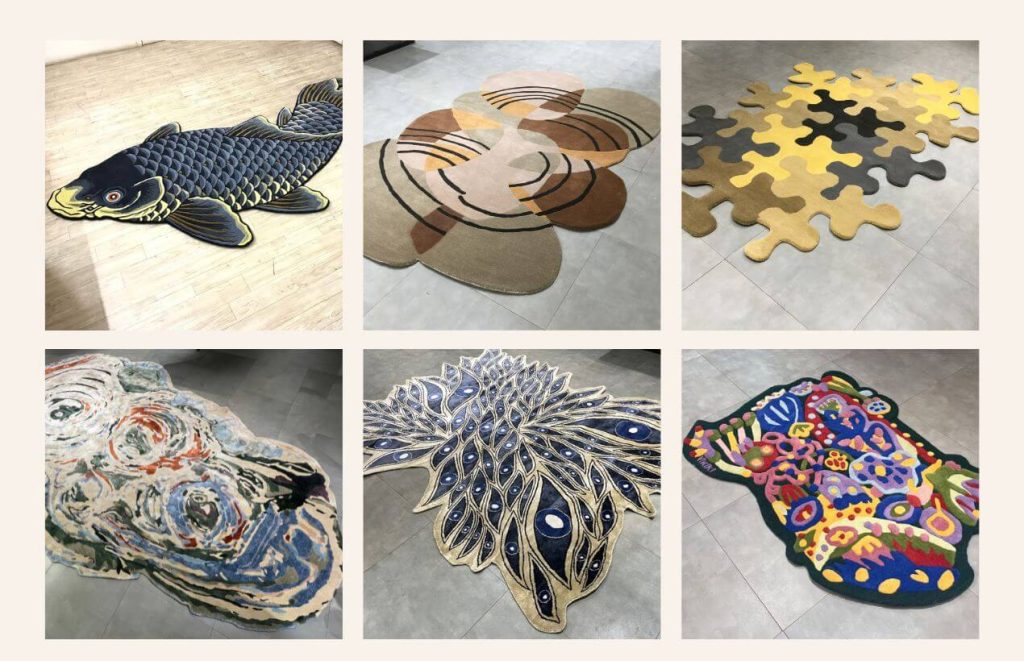
Unique Shapes and Designs: One of the biggest advantages of custom-made rugs is the ability to create unique shapes and patterns that align with your style. Whether it’s an abstract design or something more traditional, you can achieve a truly one-of-a-kind look.
Size Possibilities: Custom rugs are crafted to fit your desired dimensions perfectly. This ensures there are no compromises on size, making them ideal for both compact and expansive areas.
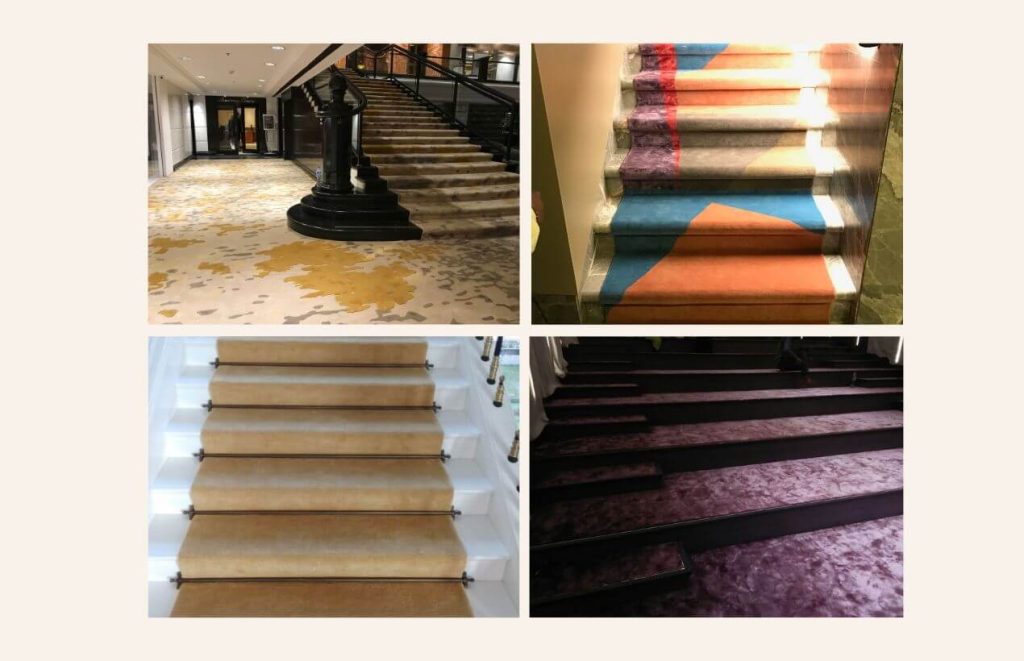
Staircase Rugs: With custom-made options, you can design rugs specifically tailored for staircases, ensuring a precise fit and cohesive design. These rugs add both safety and sophistication to your stairways.
Can I see samples before purchasing a custom rug?
We offer samples exclusively for touch and feel purposes.
What value additions can enhance the design and functionality of a rug?
Carvings: Intricate details are added to create a three-dimensional effect, making patterns stand out and adding texture.
Fringes: These decorative edges provide a traditional or handcrafted look, serving as a stylish finishing touch.
High-Low Texture: By weaving areas with varying pile heights, rugs achieve a sculpted, dimensional appearance, adding depth and visual interest.
Pile Height: This refers to the length of the fibers on the rug’s surface. Shorter piles are low-maintenance and ideal for high-traffic areas, while higher piles offer a luxurious and soft feel, perfect for cozy spaces.
Do you offer anti-stain and Nano coating treatments?
Yes, we provide anti-stain and Nano coating treatment upon request. For more information, please visit The Weaver Contact Us.
Do you do custom-made carpets and rugs?
Yes, we specialize in custom-made carpets and rugs. As a bespoke rug and carpet company, we take pride in crafting unique, tailor-made designs to suit your specific needs.
Care and Maintenance
What are the most common problems people face with rugs and carpets?
The most common problems people face with rugs and carpets include shedding, which is especially noticeable in new carpets. At The Weaver, we understand that shedding is a natural characteristic of carpets made with staple or spun yarn in a cut pile. This occurs due to foot traffic and regular vacuuming as the carpet settles. While this may seem concerning, it’s a normal and temporary occurrence. Over the first few months, shedding will significantly reduce, and your carpet will only shed minimally throughout its lifetime. With The Weaver’s bespoke rugs, you can enjoy lasting beauty and comfort, designed to stand the test of time.
How should I clean my rug regularly?
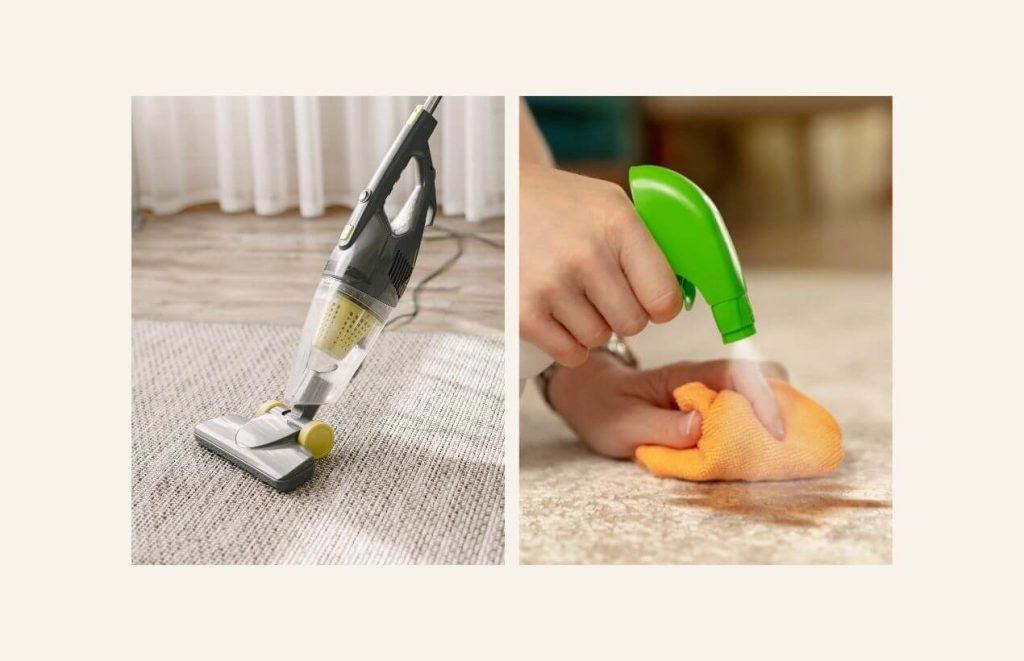
To maintain your rug, vacuum it at least once a week to remove dust and debris. For a deeper clean, use a vacuum with adjustable height settings. Avoid using the beater bar on delicate rugs; instead, opt for a handheld vacuum or an upholstery attachment to protect the fibers and preserve the rug’s quality. Regular care like this ensures your rug stays clean and beautiful for years to come.
Can I wash my rug at home?
We recommend having your rugs professionally cleaned to prevent damage. Hand-knotted or silk rugs should never be immersed in water, as this can harm their delicate fibers and craftsmanship.
How do I store my rug properly?
To store your rug properly, start by cleaning it thoroughly and ensuring it is completely dry. Roll the rug instead of folding it to prevent creases. Wrap it in a breathable fabric like cotton to protect it and store it in a cool, dry place. Avoid plastic wrapping, as it can trap moisture and lead to mildew.
How does the design development process work?
Design development typically involves 2–3 rounds of concepts. You provide feedback on pattern, colour, scale, and overall direction. We iterate until the design resonates with your vision. Once approved, we move to material and colour sampling.
How many design concepts do you typically present?
Initial concepts explore different aesthetic directions—pattern density, scale, colour approach, or layout. You select a direction you prefer, and we create detailed refinements within that concept. Additional concepts beyond this are quoted separately.
How many design revision rounds are included?
Revisions typically involve tweaks to colour, scale, pattern density, or proportion. Major direction changes count as a new concept. We encourage getting it right before sampling to avoid costly production changes.
Can I request design changes after approval?
Once we begin production, dyes are prepared, looms are warped, and artisans are allocated. Design changes mid-production are disruptive and expensive. This is why we invest time in the design phase to ensure you’re completely satisfied before we commit to production.
Can I fully customise the rug?
Complete customisation is our core offering. You’re not selecting from stock options—you’re designing with us. The only constraints are material durability, loom capacity for certain sizes, and production feasibility. We’ll advise on what’s possible within your brief and budget.
What can and can’t be customised?
We can customise almost everything. Hand-knotted rugs have maximum width limitations (~4m without seaming). Silk requires special care considerations. Natural materials have colour variation inherently. Our team will outline constraints during your consultation.
Can I modify a design I found elsewhere?
This is common and actually smart. You’ve found a style you love; we ensure it fits your space and brief perfectly. We’ll analyse the original, understand what appeals to you, and propose modifications that enhance it for your specific project. No copyright concerns for personal residential use.
Can I bring my own design or sketch?
Whether it’s a pencil sketch, digital file, or concept you describe verbally, we can work with it. Our design team will translate your intent into a pattern and colour approach suitable for handmade rugs. We ask clarifying questions about scale, colour, and production feasibility.
What file formats do you accept for design submissions?
Digital files are easier for us to work with, but we’re flexible. If you have high-resolution files, that’s ideal. For sketches, clear lighting and a straight angle help. We don’t require pixel-perfect submissions—we refine everything anyway.
Can you match my sofa colour?
Exact matches vary by material and dye chemistry, but we’re skilled at achieving very close results. We always create a sample first to show colour accuracy before full production. Lighting conditions in photos also affect perceived colour, so we ask clarifying questions.
How accurate are colour matches?
Our dye team has decades of experience matching colours across our material range. Hand-dyed materials like wool may have natural variation (which is part of their charm). We mitigate this through careful dye control and sampling before production. Synthetic colours are more uniform but equally customisable.
Can you custom-dye any colour?
Our dye palette is expansive. We source colour inspiration from nature, art, fashion, and interiors. If you have a specific colour reference—a paint swatch, photo, fabric sample—we match it in our lab before committing to full production. Complex multi-colour designs are also standard.
Do you match Pantone colours?
Pantone swatches are useful but material-dependent. A Pantone red looks different on wool versus silk versus synthetic fibre. We always create a small sample to show you the actual colour outcome on your chosen material before proceeding.
Do colours vary between materials?
Light bounces off silk differently than wool. Wool has a warm matte finish; silk has a lustrous sheen. Synthetics can be matte or glossy. These characteristics affect how colour reads. This is why material selection happens alongside colour selection. We’ll show you the difference with swatches.
What if I love a colour but it doesn’t exist in my chosen material?
Sometimes the ideal colour isn’t technically dyeable in your first-choice material. We work around this by either finding a material that works or adjusting your colour direction to complement your space while staying in your preferred fibre. Most projects find a happy balance.
How do I upload room images and references?
We accept images via email, cloud links (Google Drive, Dropbox), or WhatsApp for international clients. If you’re sent a portal login, images can be uploaded there for easy collaboration. Organise images logically (e.g., “Room Overview,” “Colour Palette,” “Furniture Detail”) to help us analyse quickly.
What resolution and quality do my reference photos need to be?
Low resolution is fine for initial direction-setting, but once we’re designing, clearer images help us understand your space, lighting, and colour palette better. If shooting specifically for us, natural daylight and multiple angles are helpful. We can work with most photo quality.
What happens to the images and references I share?
All client information and imagery is treated as proprietary. We maintain security protocols for digital assets. If we’d like to feature your project in our portfolio or case studies after completion, we ask explicit permission first.
Can you visualise how the rug will look in my room?
Room visualisations help you see the final result before production. We use your photos to place the rug realistically in your interior, showing colour integration, scale, and overall impact. This is especially useful for large projects or bold colour choices. Visualisations are provided as part of design development.
When will I see a room visualisation?
We typically provide visualisations once the design is finalised but before we create physical samples. This gives you a realistic preview. Some projects request visualisations earlier in design development if they’re deciding between two design directions—we accommodate this.
How accurate are the visualisations?
Digital visualisations give 90%+ accuracy for how the rug design integrates into your room. Lighting in photos affects perceived colour, so samples show real-world accuracy. Visualisations are tools for confidence, not guarantees—the sample is the true preview.
Can you do non-rectangular rug shapes?
Non-standard shapes are achievable but require hand-finishing after production. Circular and oval rugs are common. Complex geometric or organic shapes take longer and cost more. We advise on feasibility during design development. Shapes are equally possible in all rug types.
Do custom shapes cost more?
Standard rectangular rugs have efficient loom processes. Non-rectangular shapes require additional hand-finishing, hand-cutting, edge-binding, or custom loom setup. The more complex the shape, the higher the labour and timeline. We quote shapes separately during design development.
Can I do insets or multi-panel designs?
Insets and multi-panel designs require precise loom coordination. We can do them, but they add complexity and timeline. The production team needs to understand exactly where each section begins and ends. This is manageable but takes planning. We discuss feasibility during design development.
Can I combine different rug types in one project?
Matching multiple rug types is smart for larger residential or hospitality projects. We can ensure colour consistency and design language across different constructions. Timelines may overlap or vary depending on the complexity of each rug. This is managed during project planning.
What’s the difference between hand-knotted and hand-tufted rugs?
Hand-knotted rugs have each knot tied to the base, making them reversible and extremely durable—often 20+ years of high traffic. Hand-tufted rugs use a tufting gun to insert pile into a base, then back-coat for stability. They’re durable but not reversible. Hand-tufted is ideal for most residential spaces and is 30–40% more affordable.
Which is better—hand-knotted or hand-tufted?
Hand-knotted is ideal if you want a rug to last 30+ years and be passed down. Hand-tufted is perfect for homes with pets, children, or frequent updates. Both are handmade and beautiful. We help you choose based on traffic, budget, and long-term vision.
What are flatweaves and dhurries?
Flatweaves and dhurries are essentially the same—woven textiles with pattern integrated into the weave. They’re durable, thin, lightweight, and don’t shed. Perfect for kitchens, entryways, or layering under statement rugs. Less luxurious underfoot than pile rugs, but more practical for certain spaces.
What are handloom rugs?
Handloom production is skill-intensive and slower, creating deeply textured, patterned pieces. They’re reversible and durable. Handloom is ideal for high-end residential or hospitality projects where texture and visual interest are priorities. More expensive than flatweaves but less than hand-knotted.
What’s wall-to-wall carpeting?
Wall-to-wall carpet is custom-fitted to your room dimensions. We manage material sourcing, installation coordination, and seaming if needed. It’s perfect for hotels, offices, or residential spaces where a unified floor experience is desired. Different from area rugs—it’s permanent installation.
When should I choose hand-knotted vs. hand-tufted vs. flatweave vs. handloom?
Your choice depends on traffic, budget, desired underfoot feel, reversibility needs, and long-term ownership vision. High-traffic homes with kids or pets: hand-tufted or flatweave. Formal living rooms: hand-knotted. Textured aesthetic: handloom. We help you navigate these trade-offs based on your space and priorities.
What materials do you work with?
We curate materials for beauty, durability, sustainability, and cost-effectiveness. Wool is our most popular base; silk adds luxury and sheen. Bamboo silk and Tencel offer eco-conscious alternatives. Synthetics like PET are practical for high-traffic areas. Blends combine the best properties. We help you choose based on your space and values.
Why is wool popular for rugs?
Wool fibres have natural oils that repel liquids, reducing stain risk. It insulates and feels warm underfoot. Wool also ages gracefully—it becomes softer and more character-filled with time. It’s the ideal base material for most residential and hospitality projects. Sourcing ethical, sustainable wool is important to us.
What’s the difference between wool and silk?
Silk reflects light beautifully, creating visual depth and luminosity in designs. It feels luxurious underfoot but is more delicate and less stain-resistant than wool. Wool-silk blends offer a balance. Pure silk is ideal for formal lounges, low-traffic bedrooms, or as accent pieces in larger rugs.
Is silk too delicate for home use?
Silk adds unmatched visual beauty to rugs but requires care. It’s delicate to abrasion and staining. However, in appropriate rooms (formal spaces, adult-only areas), silk rugs are stunning and can last decades. We advise on placement and maintenance to maximize its lifespan.
What are bamboo silk and Tencel?
Bamboo silk (regenerated from bamboo pulp) and Tencel (similar, made from eucalyptus) are sustainable, vegan alternatives to traditional silk. They’re lustrous and beautiful but slightly less delicate than silk. Ideal for clients who want silk’s aesthetics with better durability and sustainable sourcing.
Are your materials sustainable and ethically sourced?
Sustainability matters to us. We’re transparent about material sourcing and continually improve our supply chain. Ask us specifically about the origin of materials for your project—we have detailed information. We can’t guarantee perfection, but we’re committed to responsible practices.
Can I use synthetic or pet-friendly materials?
Synthetics are practical and underrated. PET (made from recycled plastic bottles) is durable, easy-clean, and environmentally responsible. Nylon blends are equally tough. These materials still allow beautiful custom design and colour. They’re perfect for high-traffic, high-mess homes.
Can I blend materials in one rug?
Blends are smart. You get wool’s durability with silk’s lustre, or cotton’s texture with wool’s warmth. Common blends include 70% wool / 30% silk for luxury with durability, or wool-cotton-jute for textured, eco-conscious pieces. Blends are discussed during material selection.
What sizes of rugs can you make?
Typical residential rugs range from 3×5 ft (bedroom) to 9×12 ft (living room). Hospitality projects often require larger or multiple rugs. Hand-knotted rugs have practical width limits (~4m without seaming), but hand-tufted and flatweaves can be larger. We discuss sizing during consultation.
How do I choose the right rug size for my room?
In living rooms, a common approach is having front sofa legs on the rug with coffee table on it—this typically requires a 8×10 ft or 9×12 ft rug. Bedrooms are often 5×8 ft or smaller. Dining rooms need rugs large enough to keep all chairs on the rug when seated. We guide you based on your room layout.
Can you make rugs smaller than 3×5 feet?
Small rugs (2×3, 3×4 ft) work for entryways, bathrooms, or bedroom accents. Production-wise, smaller rugs require similar setup but yield smaller materials, so cost-per-square-foot is higher. If you want multiple small rugs, bundling them in one order helps economics.
Can you seam rugs to create very large formats?
Large hospitality projects often require seaming. Our production team plans seaming strategically to hide it—usually in less-visible areas or aligned with design pattern flow. Seaming adds cost and timeline but is achievable. We discuss seaming approaches during design development if your project needs it.
What’s the maximum size you can produce?
For hand-knotted, practical maximum width is around 4m (~13 ft) without seaming; length is unlimited. Hand-tufted and flatweaves can exceed this. Very large installations are managed with seaming. Discuss maximum requirements during consultation—we’ll advise on approach.
What pile height options do you offer?
Lower pile (8-12mm) is more practical for high-traffic areas and shows patterns crisply. Higher pile (15-20mm) is luxurious but requires more maintenance and shows footprints. Flatweaves have no pile. We discuss pile height based on your space and traffic during design development.
How does pile height affect the look and feel?
Visually, lower pile rugs show intricate patterns clearly and feel crisp. Higher pile rugs feel luxurious and absorb sound but are more maintenance-intensive. In hospitality, lower pile (12-15mm) is often preferred; in residences, client preference varies. We help you balance aesthetics and practicality.
What knot density options are available?
Higher knot density = finer detail and durability. Lower density = faster production and lower cost. Hand-tufted rugs have visual “pile” rather than true knots. We discuss density based on your design complexity and budget during development. Standard densities balance beauty and cost-effectiveness.
Do you provide technical specifications for designers and architects?
Technical specifications are essential for specifications and documentation. We provide these for all projects in a professional format suitable for architectural drawings. Specs are provided once the rug is finalised. We also assist with warranty, care, and installation guidance.
Should I use a rug underlay?
Non-slip underlays are essential safety and preservation. They prevent rug migration, protect hardwood or stone from moisture, and reduce sound in apartments. We can source quality underlays as part of your project or advise on sourcing. Underlay cost is typically 15–20% of the rug cost.
What underlays do you recommend?
There’s a direct correlation between underlay quality and rug longevity and safety. We source premium underlays and can include them in your order. Standard choice is natural rubber with felt backing—it’s durable, long-lasting, and safe on all flooring types.
Can you include underlays in my order?
It’s easier and more coordinated if we source underlays as part of your order. We know the exact rug dimensions and can provide a perfectly fitting pad. If you prefer independent sourcing, that’s fine—just ensure it’s non-slip and appropriate for your flooring.
What traffic level can different rugs handle?
High-traffic areas (entryways, hallways, kitchens) need durable constructions like hand-knotted or robust hand-tufted. Moderate-traffic areas (living rooms, bedrooms) suit most rugs. Low-traffic formal spaces can showcase delicate or silk rugs. We help match rug type to your actual usage.
Can I use this rug in a kitchen or bathroom?
Kitchens are challenging due to moisture and spills. Wool-based rugs absorb moisture; synthetics are easier to clean. In bathrooms, ensure adequate ventilation to prevent moisture accumulation. High-humidity rooms benefit from synthetics or treated materials. We discuss room conditions during consultation.
Are your rugs safe for homes with babies or children?
Babies and children are safe on our rugs. We use non-toxic dyes and secure construction. Hand-tufted is slightly safer than hand-knotted (no loose knots to pull). Ensure proper underlays to prevent tripping. Spills are manageable with appropriate materials—discuss your needs during consultation.
Are your dyes non-toxic?
Our dyes are colour-stable and non-toxic once the rug is finished. All new rugs may have slight dye smell for a few days—this is normal and fades quickly. We use reputable dye suppliers who follow environmental and safety regulations.
What happens if my family has pet hair or pet accidents?
Pet homes benefit from practical material choices. PET or nylon blends are easy to vacuum and spot-clean. Wool resists staining but requires prompt cleanup. Discuss your pet situation—we’ll recommend the most practical construction and material. Accidents happen; durable rugs are key.
What’s the typical project timeline?
This includes consultation (1–2 weeks), design development (2–3 weeks), sampling (2–3 weeks), production (4–10 weeks depending on complexity and rug type), and shipping (1–2 weeks). Fast-track options are available for urgent projects. We provide detailed timelines once you brief us.
How long is the production phase?
Large hand-knotted rugs can take 8–10 weeks or more if the design is intricate. Hand-tufted rugs typically take 4–6 weeks. Flatweaves are 3–5 weeks. Production is artisanal, so timelines aren’t static, but we provide estimates and keep you updated.
Can you rush production for an urgent project?
If you need a rug urgently, discuss this during initial consultation. We’ll assess capacity and advise what’s feasible. Rush production affects quality assurance and team workload, so surcharges reflect this. Not all projects can be rushed—complexity and current capacity limit options.
What happens after I approve the sample?
Sample approval signals the green light to begin full production. We confirm all specifications, final dimensions, material batches, and dye colours. Colour matching and material consistency are locked at this point. Changing details after approval adds cost and delays.
Can I make changes after sample approval?
If you request changes after production starts, we pause work, adjust dyes or looms, and restart—adding 2–4 weeks and costs. This is why we invest in the design and sampling phases. If a change is essential, we discuss feasibility and additional costs upfront.
What’s your approval process for designers and architects?
We manage design approvals professionally. For multi-party approvals (designer, architect, client), we facilitate the process and track feedback. Change orders are issued if modifications arise post-approval. This ensures all stakeholders are aligned and accountable.
How do I budget for a custom rug project?
Simple budgeting: determine rug size first. Larger rugs cost more per square foot due to material volume. Material choice (wool vs. silk vs. synthetics) drives cost. Construction type (hand-knotted is priciest; hand-tufted and flatweaves are more affordable). Design complexity adds slightly. Provide a budget range early so we can propose appropriately.
What’s the price range for different rug types?
These are rough ranges for typical residential sizes. A small hand-knotted (5×8 ft) might be $8K–$12K; a large one (10×14 ft) could be $40K+. Hand-tufted offers more budget-friendly luxury. Flatweaves are practical and affordable. Wall-to-wall pricing depends on room size and material. Discuss budget early so we propose appropriately.
What factors affect rug pricing?
Pricing scales with size significantly. A 5×8 ft rug costs much less than a 10×14 ft rug even in the same construction. Material matters: wool is moderate; silk adds luxury and cost. Synthetics are economical. Design complexity (intricate patterns cost more than simple designs) slightly affects price. Customisation is usually built into the price.
Can I reduce the project cost?
Value engineering is smart. A smaller rug in hand-tufted reduces cost by 50%+ versus large hand-knotted. Simpler pattern designs cost less than intricate ones. Material substitution (PET instead of wool-silk blend) reduces cost. We help find the right balance between aesthetic and budget.
How do you calculate rug pricing?
Pricing formula is transparent: material cost + labour + overhead + margin. Larger rugs use more material, so cost scales with size. Labour-intensive constructions (hand-knotted) cost more. Complex designs require more skilled artisans. We itemise pricing in proposals so you understand the breakdown.
Why is hand-knotted more expensive than hand-tufted?
Direct labour comparison: hand-knotted takes 2–3x longer than hand-tufted for the same size. Each knot is individual work; each tuft is faster. This multiplies labour costs. Hand-knotted is also more durable, justifying premium pricing. Hand-tufted is an excellent value for beauty and durability.
Why does silk cost more than wool?
Pure silk fibre costs significantly more than wool. Dyers and weavers require more expertise to handle silk without damage. Quality control is more rigorous. The result is a material that’s visually luxurious but more expensive to produce. Silk-wool blends offer balance.
Does design complexity affect cost?
Complex patterns aren’t drastically more expensive than simple ones. The primary cost driver is still size and construction, not design. However, very high-detail designs in hand-knotted do require premium artisans, adding cost. We discuss this during design development.
What’s value engineering?
Value engineering is about prioritisation. If budget is tight, we help identify non-essential elements and suggest alternatives that preserve your vision. Smaller size, simpler pattern, more affordable material—these are honest trade-offs that don’t sacrifice quality. We’re transparent about what you’re gaining and losing.
Can you propose alternatives within my budget?
Budget constraints are realistic. We work backwards from your budget and propose options that achieve your aesthetic within cost. You see what you’re paying for and decide what’s important. This transparency builds trust and often results in clients choosing unexpected combinations.
How do I care for my rug?
Basic care extends rug life dramatically. Vacuum regularly to prevent dust accumulation. For spills, blot immediately with cool water and neutral detergent; never rub. Professional cleaning every 1–2 years maintains appearance. Keep the rug out of direct harsh sunlight to prevent colour fading. We provide detailed care instructions with each rug.
How often should I vacuum my rug?
Vacuuming prevents dust and debris accumulation, which can damage fibres over time. Gentle suction is essential—high-powered vacuums can damage hand-knotted or delicate rugs. Vacuuming direction should follow the pile direction (if visible) for gentler care.
What vacuum should I use?
Your vacuum should have adjustable suction settings. Test on a corner to ensure it doesn’t damage pile or pull threads. Some customers use broom sweeping for very delicate rugs instead of vacuuming. Avoid vacuuming edges repeatedly—they can fray with aggressive vacuuming.
How do I handle spills and stains?
Quick action matters. Blot, don’t rub. Use cool (not hot) water and mild detergent. Work from the edge of the stain inward to prevent spreading. For wine, blood, or stubborn stains, don’t over-treat—contact a professional. Our care guide includes specific stain protocols.
Can stains be professionally removed?
Professional cleaners have specialised treatments for different stain types. Wine, pet accidents, food, oil—all have removal protocols. Fresh stains are 95%+ removable; older stains are trickier. We can recommend professional cleaners in your area if needed.
How often should I professionally clean my rug?
Professional cleaning removes deep-set dust and allergens, refreshing the rug. Annual cleaning maintains appearance and longevity in busy homes. Hospitality rugs often require quarterly or semi-annual cleaning due to usage. We can recommend professional cleaners and discuss schedules.
Should I use DIY carpet cleaning machines?
DIY machines risk oversaturating fibres, which damages hand-knotted and natural material rugs. If you choose to use a machine, use it sparingly on low-moisture settings. We recommend professional cleaning as the safest approach, especially for investment rugs.
Can I wash my rug in water?
Hand-washing (gentle water rinse) is traditional and effective for wool rugs. However, it’s labour-intensive and risks damage if done incorrectly. Professional cleaners have controlled systems. Silk and delicate rugs should be professionally cleaned. We guide you on what’s safe for your specific rug.
How do I clean a flatweave or dhurry?
Flatweaves and dhurries are robust and reversible, so they’re easier to care for. Wash gently if you like, or use professional cleaning. They dry quickly. Less fussy than pile rugs, so they’re popular in high-traffic homes. Regular vacuuming is still important.
How do I clean a wool-silk blend?
Wool-silk blends are popular for their balance. Wool is forgiving; silk is delicate. Together, they’re reasonably durable if cared for gently. Professional cleaning is safest. Avoid bleach or strong chemicals. Vacuuming direction matters—follow the pile for gentler care.
Do you offer rug repair and restoration services?
We stand behind our rugs and offer lifetime support. Tears can be invisibly repaired. Burns can be patched or retuned. Fading can be addressed with professional restoration. We assess damage and provide repair quotes. For large projects, we can arrange collection and restoration.
Can you repair a torn or burned area?
Hand-knotted tears are repaired by re-knotting threads—the repair becomes seamless and invisible. Burns require careful assessment: if the knots are destroyed, we patch with matching material or re-knot that section. Repairs are detailed work and priced accordingly. We can arrange logistics if you need to ship the rug.
How much does rug repair cost?
Repair costs scale with complexity. A single snag is quick and inexpensive. A large tear requires re-knotting multiple threads. We assess damage photos and provide quotes. Rush repairs are available. Repairs are investments but extend rug life significantly.
How do I arrange rug repair?
Ship your rug to us or drop it off if local. Include a note describing the damage and your preferred contact. We assess, quote, and wait for your approval before starting repairs. You’ll receive updates and photos of the work. We ship back with care to ensure the repair arrives safely.
What’s your quality guarantee?
Our guarantee is our reputation. If your rug doesn’t match the approved sample or has defects attributable to our production, we remediate—repair, replacement, or refund. Quality issues within 5 years are our responsibility. This builds long-term trust.
What warranty do you provide?
Our warranty covers defects we create—seam failures, knot slippage, colour inconsistency. It doesn’t cover stains from accidents or wear from high traffic. This is fair and transparent. After 5 years, rugs are mature and normal wear is expected. Quality rugs last 20+ years even post-warranty.
What if my rug has a defect?
Manufacturing defects are rare but possible. We take responsibility and fix them quickly. Send clear photos showing the issue and its location. We decide on the best remedy based on the defect severity. Most issues are resolvable through repair; replacement is offered for serious defects.
How long have you been making rugs?
Our team has 20+ years of collective experience in rug design, production, and trade partnerships. We’ve learned from artisans, perfected techniques, and built relationships globally. This experience translates to quality and trust in every rug we create.
How can I trust the quality?
Trust is earned through transparency and delivery. We show you the process, welcome questions, and stand behind our rugs. Our portfolio speaks for itself. Client testimonials are genuine and verifiable. We’re here for the long term, not just the sale.
How do I find help on your website?
Our website is designed to be self-service yet accessible. Browse project inspiration, read detailed guides, or jump straight to contacting us. All information is intended to educate and empower you. We supplement website info with direct conversations via email, phone, or calls.
What if I have a question not answered here?
This FAQ is comprehensive, but individual projects are unique. If something isn’t covered, reach out. We enjoy conversations and problem-solving. Your question might even inspire a new FAQ entry, helping others.
Stock and Delivery
Do you ship internationally?
Yes, we offer international shipping.
What is the delivery time?
Delivery time varies by location, typically taking 2-4 weeks after production is complete.
Can I track my rug shipment?
Yes, you can! To track your rug shipment, please connect with our sales team or any of our dedicated team members. They will assist you with all the details you need.
What are the packaging methods used for shipping rugs?
We ensure rugs are securely packaged, either rolled or folded based on their type and size. Protective materials are used to safeguard them during transit.
Do we keep stock rugs?
As a bespoke company, we don’t keep stock rugs. Every rug is made to order, ensuring it is uniquely designed to meet your specific requirements.
Studio and Assistance
Is there a showroom I can visit?
Yes, absolutely! We have showrooms in Mumbai. For more details or to find a store near you, please visit our Contact Us page.
How we work
At The Weaver, we specialize in crafting bespoke rugs that combine artistry and functionality. Our process begins with understanding your unique vision, followed by designing custom patterns, selecting high-quality materials, and tailoring the rug to fit your space perfectly. Each piece undergoes thorough quality checks, ensuring it aligns with your expectations, and we provide seamless delivery and placement assistance. For more details, visit The Weaver – How It Works.
Still have questions? We’re here to help!
Feel free to contact our customer service team. You can call us at 8657666015, send a WhatsApp message to 8657666015, or email us at sales.team@theweaver.co.in. We look forward to assisting you
Who is The Weaver?
Founded with a philosophy that every interior deserves a rug as unique as its vision, we specialise in made-to-order pieces across multiple techniques and materials. Our studio combines design expertise with artisanal craftsmanship.
What makes The Weaver different?
Our difference lies in our collaborative approach, material palette, and ability to execute both small residential projects and large hospitality installations. We don’t just manufacture—we design and problem-solve with you.
What do you specialise in?
We specialise in hand-knotted, hand-tufted, flatweaves, handloom, and wall-to-wall carpet solutions. Each piece is designed collaboratively and executed with precision to match your interior vision and budget.
Can you work with any interior style?
Our material, colour, and design range is broad enough to complement any interior language. We’ve executed projects from minimal Scandi-inspired spaces to ornate heritage-influenced designs. We ask questions upfront to understand your vision.
Where is The Weaver located?
Our studio is based in India where production occurs, but we collaborate with clients worldwide. We’ve shipped to over 40 countries and work seamlessly across time zones with digital tools and logistics partners.
Do you ship internationally?
International shipping is standard for us. We work with DHL, FedEx, and regional carriers depending on destination and rug size. All costs are quoted upfront including customs and delivery. We typically manage door-to-door service for large projects.
How does The Weaver work?
Our process is structured but flexible. We begin with a consultation to understand your space, brief, and budget. We then develop designs iteratively, create samples for approval before full production, and manage delivery and installation coordination. The entire process typically takes 12–20 weeks depending on complexity and rug size.
How do I get started?
Initial consultations are typically 30–45 minutes via video call or in-person if you’re local. We ask about your project scope, interior style, and decision timeline. After the call, we send a tailored proposal and next steps if proceeding. No obligation.
Do you charge for consultations?
We offer one free discovery call to all potential clients. If you decide to move forward, we provide a detailed estimate for design development, sampling, and production. This ensures you know investment before committing.
What information do you need from me?
The more we understand about your interior—flooring, walls, existing furniture, lighting, and aesthetic direction—the better we can propose. Timeline and budget context also shape our recommendations. We don’t need perfection; rough inspiration suffices for the first conversation.
How do I prepare for a consultation call?
The richer your reference material, the more tailored our recommendations. Screenshots from Pinterest, interior design magazines, or competitor rugs work well. Be honest about timeline and budget—this prevents misaligned proposals. Have measurements of your space ready if possible.
Can I share inspiration images and references?
Visual references help us understand your aesthetic direction far better than written descriptions. Share everything—competitor products, interior styles, colour combinations, textures, lighting moods. The more you share, the more accurately we can design for you.
How do I contact The Weaver?
For urgent matters, call our studio directly. For comprehensive enquiries, email works best—attach your reference images and a brief overview of your project. We also offer WhatsApp for international clients who prefer quick messaging.
What’s your response time?
If you contact outside Indian business hours (9 AM–6 PM IST), you’ll hear from us the next working day. Urgent matters flagged in subject lines receive priority.
Can I call instead of emailing?
Phone calls are perfect for quick clarifications or if you prefer direct conversation. We keep calls brief unless they’re scheduled consultations. Email ensures we have your full brief documented. Both work—choose what suits you.
Do you work with interior designers and architects?
Designers and architects are core to our business. We provide custom invoicing, extended payment terms, technical specifications, and collaborative design development. We also maintain relationships with repeat designers for smoother, faster projects.
Do you work directly with homeowners?
Direct-to-homeowner projects are common and equally important to us. You have the same access to our team, design process, and material options. There’s no hierarchy—your project receives the same attention as a designer’s.
What’s the difference between residential and trade pricing?
Trade pricing reflects designer markup expectations and long-term relationship benefits. Residential clients can achieve similar discounts through bulk orders or referral programs. There’s flexibility in pricing if you’re planning multiple rooms or referring colleagues.
Partnership & Business Inquiries
How do we partner with you? Are there any B2B benefits?
Partner with The Weaver: Elevate Your Designs with Bespoke Handmade Rugs
We collaborate with PMCs, Interior Designers, and Architects to build mutually rewarding partnerships.
Why Partner with The Weaver?
Exquisite Collections: Discover endless possibilities to transform any space into a masterpiece with our exceptional handmade rugs.
Tailored Designs: Bespoke solutions that perfectly align with your vision.
Variety Beyond Compare: A wide range of designs and styles to suit every need.
Seamless Experience: Hassle-free operations from design to delivery.
Unmatched Timelines: Exceptional lead times to keep your projects on schedule.
Competitive Pricing: Premium quality without premium pricing.
Let’s Create Together! Unlock the benefits of partnering with The Weaver. Click here to learn more and join our network.
Can you execute large hospitality projects?
Hospitality projects are complex. We manage multiple rug types and sizes, coordinate colour consistency, manage tight timelines, and support installation coordination. We’ve executed properties with 50+ rugs across multiple rooms. Dedicated project managers ensure smooth execution.
How do you manage multiple rugs in one hospitality project?
Large projects require orchestration. We create master timelines ensuring rugs are produced and delivered in coordinated phases. Colours are matched across rugs to ensure visual consistency. We manage seaming, installation coordination, and handoff to your team. This is where our expertise shines.
What’s the typical scale of a hospitality project?
We’ve executed projects of all sizes. A 10-room hotel might need 20–30 rugs; a large resort might need 100+. Our production capacity accommodates large concurrent projects, and our team grows to manage them efficiently. We discuss project scope, timeline, and logistics upfront.
Do you offer hospitality-specific pricing?
Hospitality projects command different economics than single residential rugs. We offer tiered discounts based on total spend and often work with flexible payment terms aligned with your project milestones. Let’s discuss your budget and scale early.
What support do you offer architects and designers?
Architects and designers are partners in our business. We provide professional support: detailed specs for documentation, trade pricing, flexible payment arrangements, and priority communication. We attend design meetings if helpful and collaborate on specification language.
Do you provide specifications for architects?
Specifications are formatted for architectural documentation. We include technical details, imagery, and care instructions. Specs are provided once designs are finalised. We also assist with specification language if you’re writing your own RFP.
Can you attend design meetings or client presentations?
Design collaboration is valuable. We contribute to design discussions, address client questions, and support your presentation. Larger projects warrant in-person participation; smaller projects work via video. Let us know when your presence adds value.
Do you offer trade partnerships or affiliate programs?
Rather than formal affiliate programs, we cultivate direct relationships with designers and architects. Regular collaborators receive preferential terms, priority scheduling, and account management. If you’d like to discuss a partnership arrangement, let’s talk.
What are your trade terms and discount structure?
Trade pricing reflects designer margin expectations and business volume. A designer referring multiple clients annually might receive different terms than one-off projects. We’re flexible and discuss mutual benefit upfront. Volume commitments (e.g., $X annually) can unlock premium terms.
How do you work with hospitality procurement teams?
Hospitality procurement is formal. We respond to RFPs professionally, provide competitive pricing, and flex on terms to work with your procurement processes. We understand POs, invoicing structures, and payment schedules. Our team is accessible and responsive to procurement requests.
What information do you need for an RFP response?
RFPs work best when detailed. The more you specify, the better our proposal. If you’re open to design collaboration, we can propose options. Material preferences, timeline constraints, and budget parameters help us align proposals. We’re quick turnaround on RFP responses—typically 5–7 business days.
What payment terms do you offer for large projects?
Large projects warrant flexible terms. We work with your budget cycle and procurement schedule. Milestone payments (initial deposit, pre-production, post-production, upon delivery) are manageable. Discuss payment structure upfront so there are no surprises.
Find your perfect rug
Filter, explore, and discover the rug your space has been waiting for.
Upload your vision.
Share your design concept, moodboard, or sketch. Our craftsmen will translate it into a bespoke rug — any size, any material, any motif.
Get a Quick Quote
Tell us what you need. We’ll make it exist.
Transform Your Space
Customized rugs & carpets to match your unique requirements.