
The most common problems people face with rugs and carpets include shedding, which is especially noticeable in new carpets. At The Weaver, we understand that shedding is a natural characteristic of carpets made with staple or spun yarn in a cut pile. This occurs due to foot traffic and regular vacuuming as the carpet settles. While this may seem concerning, it’s a normal and temporary occurrence. Over the first few months, shedding will significantly reduce, and your carpet will only shed minimally throughout its lifetime. With The Weaver’s bespoke rugs, you can enjoy lasting beauty and comfort, designed to stand the test of time.

To maintain your rug, vacuum it at least once a week to remove dust and debris. For a deeper clean, use a vacuum with adjustable height settings. Avoid using the beater bar on delicate rugs; instead, opt for a handheld vacuum or an upholstery attachment to protect the fibers and preserve the rug’s quality. Regular care like this ensures your rug stays clean and beautiful for years to come.
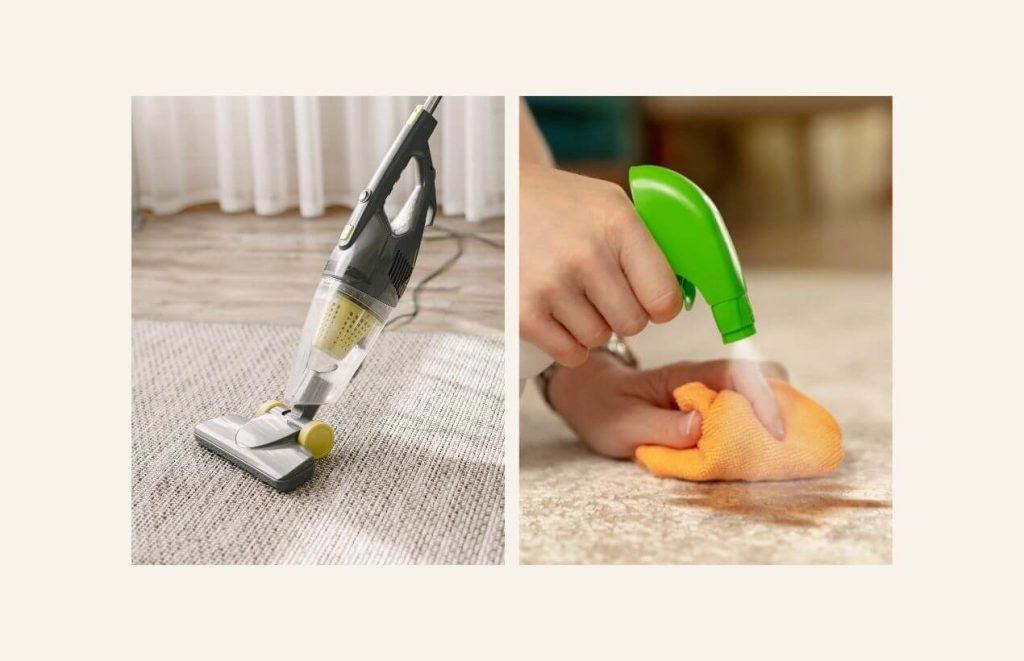
We recommend having your rugs professionally cleaned to prevent damage. Hand-knotted or silk rugs should never be immersed in water, as this can harm their delicate fibers and craftsmanship.
To store your rug properly, start by cleaning it thoroughly and ensuring it is completely dry. Roll the rug instead of folding it to prevent creases. Wrap it in a breathable fabric like cotton to protect it and store it in a cool, dry place. Avoid plastic wrapping, as it can trap moisture and lead to mildew.
Design development typically involves 2–3 rounds of concepts. You provide feedback on pattern, colour, scale, and overall direction. We iterate until the design resonates with your vision. Once approved, we move to material and colour sampling.
Initial concepts explore different aesthetic directions—pattern density, scale, colour approach, or layout. You select a direction you prefer, and we create detailed refinements within that concept. Additional concepts beyond this are quoted separately.
Revisions typically involve tweaks to colour, scale, pattern density, or proportion. Major direction changes count as a new concept. We encourage getting it right before sampling to avoid costly production changes.
Once we begin production, dyes are prepared, looms are warped, and artisans are allocated. Design changes mid-production are disruptive and expensive. This is why we invest time in the design phase to ensure you’re completely satisfied before we commit to production.
Complete customisation is our core offering. You’re not selecting from stock options—you’re designing with us. The only constraints are material durability, loom capacity for certain sizes, and production feasibility. We’ll advise on what’s possible within your brief and budget.
We can customise almost everything. Hand-knotted rugs have maximum width limitations (~4m without seaming). Silk requires special care considerations. Natural materials have colour variation inherently. Our team will outline constraints during your consultation.
This is common and actually smart. You’ve found a style you love; we ensure it fits your space and brief perfectly. We’ll analyse the original, understand what appeals to you, and propose modifications that enhance it for your specific project. No copyright concerns for personal residential use.
Whether it’s a pencil sketch, digital file, or concept you describe verbally, we can work with it. Our design team will translate your intent into a pattern and colour approach suitable for handmade rugs. We ask clarifying questions about scale, colour, and production feasibility.
Digital files are easier for us to work with, but we’re flexible. If you have high-resolution files, that’s ideal. For sketches, clear lighting and a straight angle help. We don’t require pixel-perfect submissions—we refine everything anyway.
Exact matches vary by material and dye chemistry, but we’re skilled at achieving very close results. We always create a sample first to show colour accuracy before full production. Lighting conditions in photos also affect perceived colour, so we ask clarifying questions.
Our dye team has decades of experience matching colours across our material range. Hand-dyed materials like wool may have natural variation (which is part of their charm). We mitigate this through careful dye control and sampling before production. Synthetic colours are more uniform but equally customisable.
Our dye palette is expansive. We source colour inspiration from nature, art, fashion, and interiors. If you have a specific colour reference—a paint swatch, photo, fabric sample—we match it in our lab before committing to full production. Complex multi-colour designs are also standard.
Pantone swatches are useful but material-dependent. A Pantone red looks different on wool versus silk versus synthetic fibre. We always create a small sample to show you the actual colour outcome on your chosen material before proceeding.
Light bounces off silk differently than wool. Wool has a warm matte finish; silk has a lustrous sheen. Synthetics can be matte or glossy. These characteristics affect how colour reads. This is why material selection happens alongside colour selection. We’ll show you the difference with swatches.
Sometimes the ideal colour isn’t technically dyeable in your first-choice material. We work around this by either finding a material that works or adjusting your colour direction to complement your space while staying in your preferred fibre. Most projects find a happy balance.
We accept images via email, cloud links (Google Drive, Dropbox), or WhatsApp for international clients. If you’re sent a portal login, images can be uploaded there for easy collaboration. Organise images logically (e.g., “Room Overview,” “Colour Palette,” “Furniture Detail”) to help us analyse quickly.
Low resolution is fine for initial direction-setting, but once we’re designing, clearer images help us understand your space, lighting, and colour palette better. If shooting specifically for us, natural daylight and multiple angles are helpful. We can work with most photo quality.
All client information and imagery is treated as proprietary. We maintain security protocols for digital assets. If we’d like to feature your project in our portfolio or case studies after completion, we ask explicit permission first.
Room visualisations help you see the final result before production. We use your photos to place the rug realistically in your interior, showing colour integration, scale, and overall impact. This is especially useful for large projects or bold colour choices. Visualisations are provided as part of design development.
We typically provide visualisations once the design is finalised but before we create physical samples. This gives you a realistic preview. Some projects request visualisations earlier in design development if they’re deciding between two design directions—we accommodate this.
Digital visualisations give 90%+ accuracy for how the rug design integrates into your room. Lighting in photos affects perceived colour, so samples show real-world accuracy. Visualisations are tools for confidence, not guarantees—the sample is the true preview.
Non-standard shapes are achievable but require hand-finishing after production. Circular and oval rugs are common. Complex geometric or organic shapes take longer and cost more. We advise on feasibility during design development. Shapes are equally possible in all rug types.
Standard rectangular rugs have efficient loom processes. Non-rectangular shapes require additional hand-finishing, hand-cutting, edge-binding, or custom loom setup. The more complex the shape, the higher the labour and timeline. We quote shapes separately during design development.
Insets and multi-panel designs require precise loom coordination. We can do them, but they add complexity and timeline. The production team needs to understand exactly where each section begins and ends. This is manageable but takes planning. We discuss feasibility during design development.
Matching multiple rug types is smart for larger residential or hospitality projects. We can ensure colour consistency and design language across different constructions. Timelines may overlap or vary depending on the complexity of each rug. This is managed during project planning.
Hand-knotted rugs have each knot tied to the base, making them reversible and extremely durable—often 20+ years of high traffic. Hand-tufted rugs use a tufting gun to insert pile into a base, then back-coat for stability. They’re durable but not reversible. Hand-tufted is ideal for most residential spaces and is 30–40% more affordable.
Hand-knotted is ideal if you want a rug to last 30+ years and be passed down. Hand-tufted is perfect for homes with pets, children, or frequent updates. Both are handmade and beautiful. We help you choose based on traffic, budget, and long-term vision.
Flatweaves and dhurries are essentially the same—woven textiles with pattern integrated into the weave. They’re durable, thin, lightweight, and don’t shed. Perfect for kitchens, entryways, or layering under statement rugs. Less luxurious underfoot than pile rugs, but more practical for certain spaces.
Handloom production is skill-intensive and slower, creating deeply textured, patterned pieces. They’re reversible and durable. Handloom is ideal for high-end residential or hospitality projects where texture and visual interest are priorities. More expensive than flatweaves but less than hand-knotted.
Wall-to-wall carpet is custom-fitted to your room dimensions. We manage material sourcing, installation coordination, and seaming if needed. It’s perfect for hotels, offices, or residential spaces where a unified floor experience is desired. Different from area rugs—it’s permanent installation.
Your choice depends on traffic, budget, desired underfoot feel, reversibility needs, and long-term ownership vision. High-traffic homes with kids or pets: hand-tufted or flatweave. Formal living rooms: hand-knotted. Textured aesthetic: handloom. We help you navigate these trade-offs based on your space and priorities.
We curate materials for beauty, durability, sustainability, and cost-effectiveness. Wool is our most popular base; silk adds luxury and sheen. Bamboo silk and Tencel offer eco-conscious alternatives. Synthetics like PET are practical for high-traffic areas. Blends combine the best properties. We help you choose based on your space and values.
Wool fibres have natural oils that repel liquids, reducing stain risk. It insulates and feels warm underfoot. Wool also ages gracefully—it becomes softer and more character-filled with time. It’s the ideal base material for most residential and hospitality projects. Sourcing ethical, sustainable wool is important to us.
Silk reflects light beautifully, creating visual depth and luminosity in designs. It feels luxurious underfoot but is more delicate and less stain-resistant than wool. Wool-silk blends offer a balance. Pure silk is ideal for formal lounges, low-traffic bedrooms, or as accent pieces in larger rugs.
Silk adds unmatched visual beauty to rugs but requires care. It’s delicate to abrasion and staining. However, in appropriate rooms (formal spaces, adult-only areas), silk rugs are stunning and can last decades. We advise on placement and maintenance to maximize its lifespan.
Bamboo silk (regenerated from bamboo pulp) and Tencel (similar, made from eucalyptus) are sustainable, vegan alternatives to traditional silk. They’re lustrous and beautiful but slightly less delicate than silk. Ideal for clients who want silk’s aesthetics with better durability and sustainable sourcing.
Sustainability matters to us. We’re transparent about material sourcing and continually improve our supply chain. Ask us specifically about the origin of materials for your project—we have detailed information. We can’t guarantee perfection, but we’re committed to responsible practices.
Synthetics are practical and underrated. PET (made from recycled plastic bottles) is durable, easy-clean, and environmentally responsible. Nylon blends are equally tough. These materials still allow beautiful custom design and colour. They’re perfect for high-traffic, high-mess homes.
Blends are smart. You get wool’s durability with silk’s lustre, or cotton’s texture with wool’s warmth. Common blends include 70% wool / 30% silk for luxury with durability, or wool-cotton-jute for textured, eco-conscious pieces. Blends are discussed during material selection.
Typical residential rugs range from 3×5 ft (bedroom) to 9×12 ft (living room). Hospitality projects often require larger or multiple rugs. Hand-knotted rugs have practical width limits (~4m without seaming), but hand-tufted and flatweaves can be larger. We discuss sizing during consultation.
In living rooms, a common approach is having front sofa legs on the rug with coffee table on it—this typically requires a 8×10 ft or 9×12 ft rug. Bedrooms are often 5×8 ft or smaller. Dining rooms need rugs large enough to keep all chairs on the rug when seated. We guide you based on your room layout.
Small rugs (2×3, 3×4 ft) work for entryways, bathrooms, or bedroom accents. Production-wise, smaller rugs require similar setup but yield smaller materials, so cost-per-square-foot is higher. If you want multiple small rugs, bundling them in one order helps economics.
Large hospitality projects often require seaming. Our production team plans seaming strategically to hide it—usually in less-visible areas or aligned with design pattern flow. Seaming adds cost and timeline but is achievable. We discuss seaming approaches during design development if your project needs it.
For hand-knotted, practical maximum width is around 4m (~13 ft) without seaming; length is unlimited. Hand-tufted and flatweaves can exceed this. Very large installations are managed with seaming. Discuss maximum requirements during consultation—we’ll advise on approach.
Lower pile (8-12mm) is more practical for high-traffic areas and shows patterns crisply. Higher pile (15-20mm) is luxurious but requires more maintenance and shows footprints. Flatweaves have no pile. We discuss pile height based on your space and traffic during design development.
Visually, lower pile rugs show intricate patterns clearly and feel crisp. Higher pile rugs feel luxurious and absorb sound but are more maintenance-intensive. In hospitality, lower pile (12-15mm) is often preferred; in residences, client preference varies. We help you balance aesthetics and practicality.
Higher knot density = finer detail and durability. Lower density = faster production and lower cost. Hand-tufted rugs have visual “pile” rather than true knots. We discuss density based on your design complexity and budget during development. Standard densities balance beauty and cost-effectiveness.
Technical specifications are essential for specifications and documentation. We provide these for all projects in a professional format suitable for architectural drawings. Specs are provided once the rug is finalised. We also assist with warranty, care, and installation guidance.
Non-slip underlays are essential safety and preservation. They prevent rug migration, protect hardwood or stone from moisture, and reduce sound in apartments. We can source quality underlays as part of your project or advise on sourcing. Underlay cost is typically 15–20% of the rug cost.
There’s a direct correlation between underlay quality and rug longevity and safety. We source premium underlays and can include them in your order. Standard choice is natural rubber with felt backing—it’s durable, long-lasting, and safe on all flooring types.
It’s easier and more coordinated if we source underlays as part of your order. We know the exact rug dimensions and can provide a perfectly fitting pad. If you prefer independent sourcing, that’s fine—just ensure it’s non-slip and appropriate for your flooring.
High-traffic areas (entryways, hallways, kitchens) need durable constructions like hand-knotted or robust hand-tufted. Moderate-traffic areas (living rooms, bedrooms) suit most rugs. Low-traffic formal spaces can showcase delicate or silk rugs. We help match rug type to your actual usage.
Kitchens are challenging due to moisture and spills. Wool-based rugs absorb moisture; synthetics are easier to clean. In bathrooms, ensure adequate ventilation to prevent moisture accumulation. High-humidity rooms benefit from synthetics or treated materials. We discuss room conditions during consultation.
Babies and children are safe on our rugs. We use non-toxic dyes and secure construction. Hand-tufted is slightly safer than hand-knotted (no loose knots to pull). Ensure proper underlays to prevent tripping. Spills are manageable with appropriate materials—discuss your needs during consultation.
Our dyes are colour-stable and non-toxic once the rug is finished. All new rugs may have slight dye smell for a few days—this is normal and fades quickly. We use reputable dye suppliers who follow environmental and safety regulations.
Pet homes benefit from practical material choices. PET or nylon blends are easy to vacuum and spot-clean. Wool resists staining but requires prompt cleanup. Discuss your pet situation—we’ll recommend the most practical construction and material. Accidents happen; durable rugs are key.
This includes consultation (1–2 weeks), design development (2–3 weeks), sampling (2–3 weeks), production (4–10 weeks depending on complexity and rug type), and shipping (1–2 weeks). Fast-track options are available for urgent projects. We provide detailed timelines once you brief us.
Large hand-knotted rugs can take 8–10 weeks or more if the design is intricate. Hand-tufted rugs typically take 4–6 weeks. Flatweaves are 3–5 weeks. Production is artisanal, so timelines aren’t static, but we provide estimates and keep you updated.
If you need a rug urgently, discuss this during initial consultation. We’ll assess capacity and advise what’s feasible. Rush production affects quality assurance and team workload, so surcharges reflect this. Not all projects can be rushed—complexity and current capacity limit options.
Sample approval signals the green light to begin full production. We confirm all specifications, final dimensions, material batches, and dye colours. Colour matching and material consistency are locked at this point. Changing details after approval adds cost and delays.
If you request changes after production starts, we pause work, adjust dyes or looms, and restart—adding 2–4 weeks and costs. This is why we invest in the design and sampling phases. If a change is essential, we discuss feasibility and additional costs upfront.
We manage design approvals professionally. For multi-party approvals (designer, architect, client), we facilitate the process and track feedback. Change orders are issued if modifications arise post-approval. This ensures all stakeholders are aligned and accountable.
Simple budgeting: determine rug size first. Larger rugs cost more per square foot due to material volume. Material choice (wool vs. silk vs. synthetics) drives cost. Construction type (hand-knotted is priciest; hand-tufted and flatweaves are more affordable). Design complexity adds slightly. Provide a budget range early so we can propose appropriately.
These are rough ranges for typical residential sizes. A small hand-knotted (5×8 ft) might be $8K–$12K; a large one (10×14 ft) could be $40K+. Hand-tufted offers more budget-friendly luxury. Flatweaves are practical and affordable. Wall-to-wall pricing depends on room size and material. Discuss budget early so we propose appropriately.
Pricing scales with size significantly. A 5×8 ft rug costs much less than a 10×14 ft rug even in the same construction. Material matters: wool is moderate; silk adds luxury and cost. Synthetics are economical. Design complexity (intricate patterns cost more than simple designs) slightly affects price. Customisation is usually built into the price.
Value engineering is smart. A smaller rug in hand-tufted reduces cost by 50%+ versus large hand-knotted. Simpler pattern designs cost less than intricate ones. Material substitution (PET instead of wool-silk blend) reduces cost. We help find the right balance between aesthetic and budget.
Pricing formula is transparent: material cost + labour + overhead + margin. Larger rugs use more material, so cost scales with size. Labour-intensive constructions (hand-knotted) cost more. Complex designs require more skilled artisans. We itemise pricing in proposals so you understand the breakdown.
Direct labour comparison: hand-knotted takes 2–3x longer than hand-tufted for the same size. Each knot is individual work; each tuft is faster. This multiplies labour costs. Hand-knotted is also more durable, justifying premium pricing. Hand-tufted is an excellent value for beauty and durability.
Pure silk fibre costs significantly more than wool. Dyers and weavers require more expertise to handle silk without damage. Quality control is more rigorous. The result is a material that’s visually luxurious but more expensive to produce. Silk-wool blends offer balance.
Complex patterns aren’t drastically more expensive than simple ones. The primary cost driver is still size and construction, not design. However, very high-detail designs in hand-knotted do require premium artisans, adding cost. We discuss this during design development.
Value engineering is about prioritisation. If budget is tight, we help identify non-essential elements and suggest alternatives that preserve your vision. Smaller size, simpler pattern, more affordable material—these are honest trade-offs that don’t sacrifice quality. We’re transparent about what you’re gaining and losing.
Budget constraints are realistic. We work backwards from your budget and propose options that achieve your aesthetic within cost. You see what you’re paying for and decide what’s important. This transparency builds trust and often results in clients choosing unexpected combinations.
Basic care extends rug life dramatically. Vacuum regularly to prevent dust accumulation. For spills, blot immediately with cool water and neutral detergent; never rub. Professional cleaning every 1–2 years maintains appearance. Keep the rug out of direct harsh sunlight to prevent colour fading. We provide detailed care instructions with each rug.
Vacuuming prevents dust and debris accumulation, which can damage fibres over time. Gentle suction is essential—high-powered vacuums can damage hand-knotted or delicate rugs. Vacuuming direction should follow the pile direction (if visible) for gentler care.
Your vacuum should have adjustable suction settings. Test on a corner to ensure it doesn’t damage pile or pull threads. Some customers use broom sweeping for very delicate rugs instead of vacuuming. Avoid vacuuming edges repeatedly—they can fray with aggressive vacuuming.
Quick action matters. Blot, don’t rub. Use cool (not hot) water and mild detergent. Work from the edge of the stain inward to prevent spreading. For wine, blood, or stubborn stains, don’t over-treat—contact a professional. Our care guide includes specific stain protocols.
Professional cleaners have specialised treatments for different stain types. Wine, pet accidents, food, oil—all have removal protocols. Fresh stains are 95%+ removable; older stains are trickier. We can recommend professional cleaners in your area if needed.
Professional cleaning removes deep-set dust and allergens, refreshing the rug. Annual cleaning maintains appearance and longevity in busy homes. Hospitality rugs often require quarterly or semi-annual cleaning due to usage. We can recommend professional cleaners and discuss schedules.
DIY machines risk oversaturating fibres, which damages hand-knotted and natural material rugs. If you choose to use a machine, use it sparingly on low-moisture settings. We recommend professional cleaning as the safest approach, especially for investment rugs.
Hand-washing (gentle water rinse) is traditional and effective for wool rugs. However, it’s labour-intensive and risks damage if done incorrectly. Professional cleaners have controlled systems. Silk and delicate rugs should be professionally cleaned. We guide you on what’s safe for your specific rug.
Flatweaves and dhurries are robust and reversible, so they’re easier to care for. Wash gently if you like, or use professional cleaning. They dry quickly. Less fussy than pile rugs, so they’re popular in high-traffic homes. Regular vacuuming is still important.
Wool-silk blends are popular for their balance. Wool is forgiving; silk is delicate. Together, they’re reasonably durable if cared for gently. Professional cleaning is safest. Avoid bleach or strong chemicals. Vacuuming direction matters—follow the pile for gentler care.
We stand behind our rugs and offer lifetime support. Tears can be invisibly repaired. Burns can be patched or retuned. Fading can be addressed with professional restoration. We assess damage and provide repair quotes. For large projects, we can arrange collection and restoration.
Hand-knotted tears are repaired by re-knotting threads—the repair becomes seamless and invisible. Burns require careful assessment: if the knots are destroyed, we patch with matching material or re-knot that section. Repairs are detailed work and priced accordingly. We can arrange logistics if you need to ship the rug.
Repair costs scale with complexity. A single snag is quick and inexpensive. A large tear requires re-knotting multiple threads. We assess damage photos and provide quotes. Rush repairs are available. Repairs are investments but extend rug life significantly.
Ship your rug to us or drop it off if local. Include a note describing the damage and your preferred contact. We assess, quote, and wait for your approval before starting repairs. You’ll receive updates and photos of the work. We ship back with care to ensure the repair arrives safely.
Our guarantee is our reputation. If your rug doesn’t match the approved sample or has defects attributable to our production, we remediate—repair, replacement, or refund. Quality issues within 5 years are our responsibility. This builds long-term trust.
Our warranty covers defects we create—seam failures, knot slippage, colour inconsistency. It doesn’t cover stains from accidents or wear from high traffic. This is fair and transparent. After 5 years, rugs are mature and normal wear is expected. Quality rugs last 20+ years even post-warranty.
Manufacturing defects are rare but possible. We take responsibility and fix them quickly. Send clear photos showing the issue and its location. We decide on the best remedy based on the defect severity. Most issues are resolvable through repair; replacement is offered for serious defects.
Our team has 20+ years of collective experience in rug design, production, and trade partnerships. We’ve learned from artisans, perfected techniques, and built relationships globally. This experience translates to quality and trust in every rug we create.
Trust is earned through transparency and delivery. We show you the process, welcome questions, and stand behind our rugs. Our portfolio speaks for itself. Client testimonials are genuine and verifiable. We’re here for the long term, not just the sale.
Our website is designed to be self-service yet accessible. Browse project inspiration, read detailed guides, or jump straight to contacting us. All information is intended to educate and empower you. We supplement website info with direct conversations via email, phone, or calls.
We stand behind our rugs and offer lifetime support. Tears can be invisibly repaired. Burns can be patched or retuned. Fading can be addressed with professional restoration. We assess damage and provide repair quotes. For large projects, we can arrange collection and restoration.
Hand-knotted tears are repaired by re-knotting threads—the repair becomes seamless and invisible. Burns require careful assessment: if the knots are destroyed, we patch with matching material or re-knot that section. Repairs are detailed work and priced accordingly. We can arrange logistics if you need to ship the rug.
Repair costs scale with complexity. A single snag is quick and inexpensive. A large tear requires re-knotting multiple threads. We assess damage photos and provide quotes. Rush repairs are available. Repairs are investments but extend rug life significantly.
Ship your rug to us or drop it off if local. Include a note describing the damage and your preferred contact. We assess, quote, and wait for your approval before starting repairs. You’ll receive updates and photos of the work. We ship back with care to ensure the repair arrives safely.